
A push push latch with sufficient preload and minimal tolerance stack up provides the best vibration resistance. Integrated latch and pusher systems perform especially well because they reduce alignment variability.
What Are Aircraft Cabinet Latches? (And How to Choose the Right One)
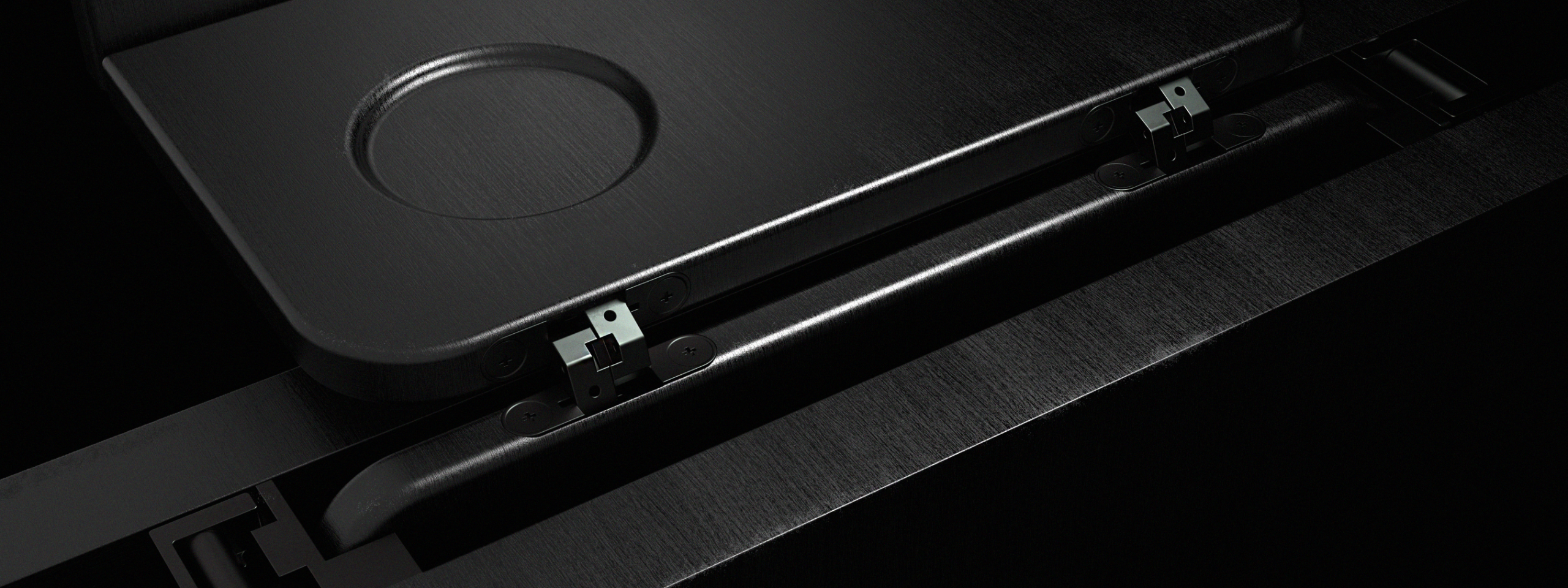

Aircraft cabinet latches are deceptively simple components. At a glance, they perform the same function as any commercial latch. They keep a door closed until it needs to be opened. In an aircraft interior, however, that function exists inside a much tighter set of constraints that fundamentally change how the latch must be designed.
Cabinet hardware in aircraft is exposed to continuous vibration, repeated cycling, and strict weight limitations. Even small vibration inputs create dynamic forces at the latch interface. If the system does not maintain sufficient preload, the latch can momentarily separate and recontact. Over time, this produces the rattle that is common in poorly designed interiors and eventually leads to wear.
This is why aircraft latch selection is less about holding strength and more about maintaining controlled preload under dynamic conditions.
Push to open, or push push, latching systems have become the dominant solution in aircraft interiors for this reason. These systems rely on internal spring force to maintain continuous contact between components. That preload prevents micro movement and reduces noise. It also eliminates the need for external handles, which improves safety and simplifies design.
The architecture of the latch system matters just as much as the mechanism itself. In many traditional designs, the latch and pusher are separate components. Each introduces its own tolerance. When combined, those tolerances create variability in engagement and release. Integrated systems solve this problem by combining both functions into a single mechanism, reducing part count and improving alignment consistency.
Load capacity is another key consideration. A latch must support both static load from the door and dynamic load from vibration and movement. High load touch latches can support several hundred pounds of static force, which makes them suitable for larger or frequently accessed cabinet doors. At the same time, travel distance must be controlled. Many aircraft latch systems are designed around short release travel in the range of a few hundredths of an inch to balance usability and reliability.
Installation constraints also play a role. Some pusher systems require rear clearance behind the panel, which is not always available in aircraft cabinetry. Designs that install flush into the panel edge can eliminate this requirement and simplify integration into tight spaces.
Finally, panel construction must be considered. Aircraft interiors frequently use lightweight honeycomb panels, often around half an inch thick. These structures offer excellent stiffness but limited edge strength, which means load distribution and fastener selection are critical.
Selecting the right latch is not about choosing a category. It is about selecting a system that maintains preload, minimizes tolerance variation, and integrates cleanly into the structure it supports.
FAQs
Yes. When designed with proper spring force and controlled travel, they provide consistent retention and low noise performance under vibration.
They are not always certified directly, but they must perform reliably under the environmental conditions defined by DO 160, especially vibration and temperature.
Contact Us
Your Success, Our Commitment.

Popular Posts