It means the latch must maintain function, retention, and durability under environmental stresses such as vibration, temperature, and shock.
How DO 160 Impacts Aircraft Latch Design
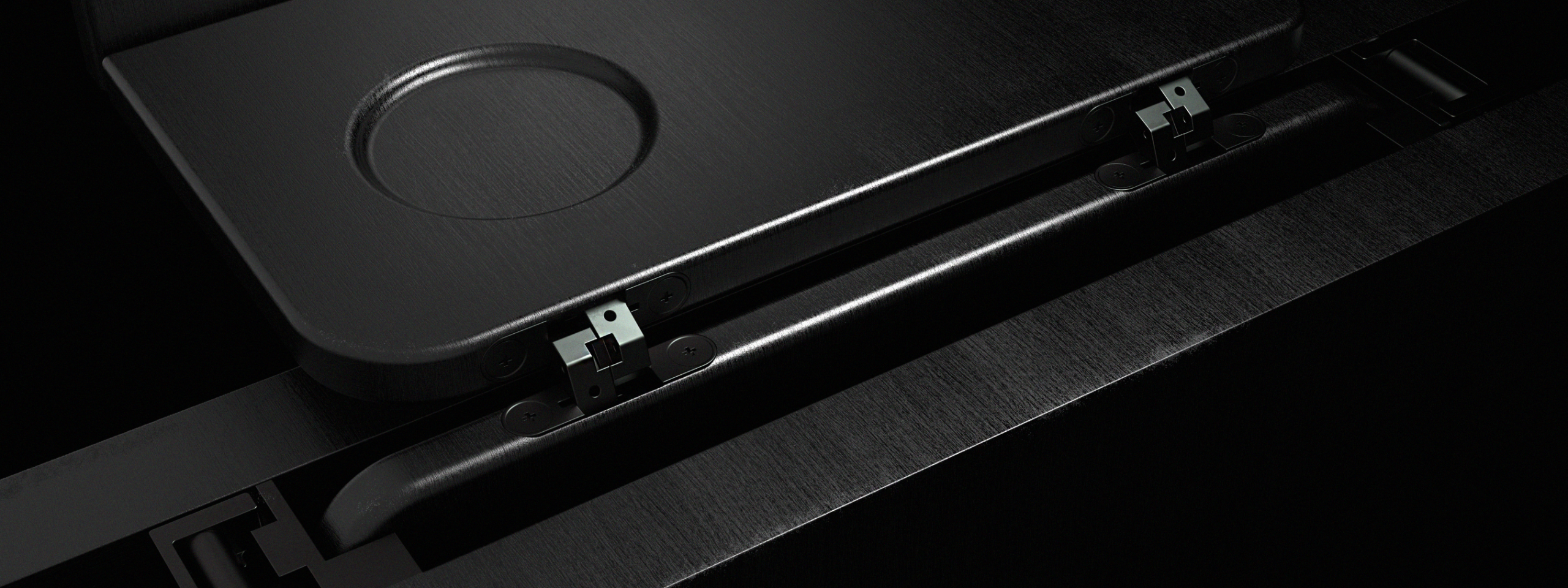

DO 160 defines the environmental conditions and test procedures for airborne equipment. While it is often associated with electronics, its implications extend to mechanical hardware such as latches and hinges.
One of the most critical aspects of DO 160 for latch design is vibration. Aircraft interiors are exposed to continuous vibration across a range of frequencies and amplitudes. A latch must maintain engagement and function throughout these conditions without loosening, generating noise, or failing.
This requirement drives several design decisions. Preload becomes essential. The spring force within the latch must be sufficient to prevent separation under expected vibration loads. If the preload is too low, the latch can experience repeated micro impacts, which lead to wear and audible rattle.
Material selection also matters. High strength aluminum alloys are commonly used because they provide a balance between strength and weight. In some cases, stainless steel components are used for wear surfaces or specific load requirements.
Cycle life is another important factor. Latches in aircraft interiors may be operated thousands of times over their service life. This requires careful design of internal components to prevent fatigue and maintain consistent performance.
Integration into the surrounding structure must also be considered. Lightweight panel systems can introduce variability in alignment, which affects how the latch engages. Designs that reduce tolerance sensitivity or integrate multiple functions into a single unit can improve reliability.
Designing for DO 160 conditions is not about meeting a single requirement. It is about ensuring that the latch maintains performance across a range of environmental stresses.
FAQs
Not always directly, but they must perform reliably in systems that are evaluated under those conditions.
Contact Us
Your Success, Our Commitment.

Popular Posts